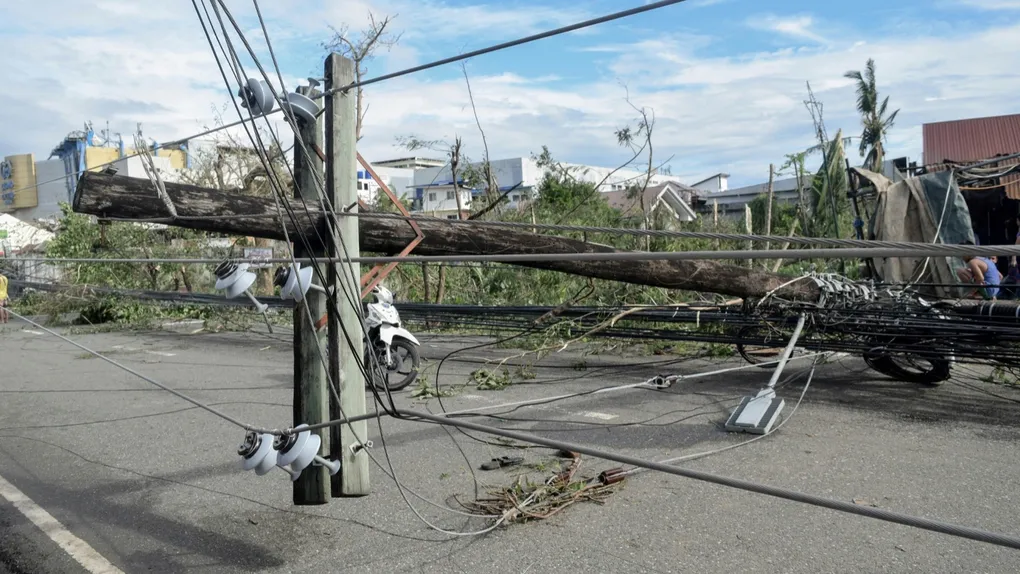
Prepping for a hurricane: Harden your home, build a 7-day chain
The couple sat on a porch overlooking the canal as the water rose past the seawall and into the street, and they did not leave, because the wind was still light and the rain had not started. By the time the storm’s wind arrived, their street was a river. They waded out in chest-deep water past cars floating sideways. The wind never hurt them. The water almost did. Every hurricane household has to learn the same sentence, and it is this: run from water, hide from wind.
Hurricanes (also known as typhoons or cyclones) are the most powerful storms on Earth, combining destructive winds, torrential rain, and massive flooding into a single event. But they have one distinct characteristic that sets them apart from earthquakes or tornadoes: warning time. We usually know a hurricane is coming days before it arrives. That warning window is your greatest asset, but only if you know how to use it. Many people waste these precious days in denial or panic-buying supplies that will not help them.
This guide eliminates the guesswork. It provides a professional-grade strategy to secure your home, manage your resources, and make the life-or-death decision of whether to stay or evacuate.
Disclaimer: The information provided in this article is for general informational and educational purposes only. It is not intended as, and should not be considered, legal, medical, or architectural advice. Hurricane risks vary greatly by geography and housing type. Always consult with local emergency management officials, structural engineers, and insurance professionals for specific guidance related to your property and safety.
The Key Takeaways
For those short on time, here are the most important things to know:
- Run from Water, Hide from Wind: You cannot fight a storm surge or flash flood, you must evacuate to higher ground. You can, however, shelter from high winds in a fortified structure.
- The Garage Door is the Weak Link: In 80% of wind damage cases, the garage door fails first. Reinforce it with a vertical bracing system.
- Carbon Monoxide Kills After the Storm: More people often die in the aftermath than during the storm, frequently due to improper generator use. Never run a generator indoors or near windows.
- The “First 72” Are On You: Emergency services will not reach you during the storm or immediately after. Be completely self-sufficient for at least 72 hours (ideally 7 days).
- Preparation is Seasonal, Not Event-Based: Waiting until a storm is named to buy plywood or water ensures you will face shortages and panic. The time to prep is when the skies are blue.
The Seven-Part Manual
Part 1: Anatomy of a Hurricane
The couple in the canal did not misjudge the wind. They misjudged the water, because most people focus entirely on wind speed (Category 1 vs. 5) while water is the leading cause of death. Learn the three fronts of attack (wind, surge, and rain) so you know exactly which threats apply to your location.
Read the full guide on Anatomy of a Hurricane
Part 2: Home Hardening
When a named storm enters the “Cone of Uncertainty,” the line at the hardware store becomes a battlefield and plywood sells out in hours. The families who are calm in that line did the work months earlier, because structural failure is a breach-and-pressurize event: a window or door fails, then internal pressure blows the roof off from the inside.
Read the full guide on Home Hardening
Part 3: The Logistics Chain
After a major hurricane, the wind stops, but the crisis continues. The power grid may be down for weeks, and tap water may be contaminated or shut off entirely. Emergency services cannot reach everyone immediately. If you are not self-sufficient for at least 72 hours (ideally 7 days), you become a refugee in your own home.
Read the full guide on The Logistics Chain
Part 4: T-Minus 5 Days
A hurricane forecast gives you a gift no other disaster offers: time. But that time is a wasting asset. Every hour you spend in denial is an hour lost in preparation. Wait until 24 hours before landfall to buy water or plywood and you will face empty shelves, 3-hour gas lines, and dangerous fatigue. A strict countdown schedule starting 5 days out distributes the work and avoids the panic.
Read the full guide on T-Minus 5 Days
Part 5: Run or Hide
“Should we stay or should we go?” This debate happens at kitchen tables across the coast every hurricane season, and it is usually decided by emotion, finances, or stubbornness. You cannot fight water, you must run from it (horizontal evacuation). You can fight wind, you can hide from it (vertical shelter). Confusing these two threats is fatal.
Read the full guide on Run or Hide
Part 6: Surviving the Storm
The moment the outer bands strike, the time for preparation ends and the time for survival begins. A hurricane is a slow-moving siege that can batter your home for 12 to 24 hours. The most dangerous impulses during the storm are to look out the window, go outside during the eye, or try to fix a leak during peak winds.
Read the full guide on Surviving the Storm
Part 7: The Aftermath
The wind has stopped. The sun is out. You survived the hurricane. But the danger has not passed, it has just changed form. More people often die in the days after a hurricane than during the storm itself, as carbon monoxide poisoning, electrocution from downed lines, and chainsaw accidents skyrocket in the first 48 hours. Maintain “Condition Yellow” for a few more days.
Read the full guide on The Aftermath
The Hurricane Survival Manual Checklist
The seven parts above are the knowledge. The checklist is the execution, a printable, phase-by-phase protocol from blue-sky readiness to the recovery clock. Download it, print it, and physically mark off every task you complete.
Read the full Hurricane Survival Manual Checklist for the complete, printable, phase-by-phase protocol.
Next Steps
- Start with Part 1 if you are new to hurricanes, because the water-versus-wind distinction drives every other decision in this series.
- Jump straight to Part 2: Home hardening if your house is the gap, since envelope work is blue-sky work and it cannot be done once the cone appears.
- Print the Hurricane Survival Manual Checklist and put it in the go-bag, because paper does not need batteries.