Prepping for a hurricane: The survival manual checklist
The family had a generator, 40 gallons of water, and a week of food the night their neighborhood lost power for eleven days. They also spent forty-five minutes in the dark trying to remember whether they were supposed to turn off the main breaker before the power came back. The supplies were fine. The script was missing. In a crisis, you do not rise to the level of your stockpile, you fall to the level of your checklist.
Over the last seven articles, we have dissected every stage of a hurricane disaster, from the physics of storm surge to the mechanics of insurance claims. We have moved from the theoretical to the tactical. But knowledge alone is not enough, it must be accessible when the barometer drops and the lights go out.
In a crisis, “cognitive fragmentation” sets in. You will forget things you know perfectly well. You might remember to grab the dog food but forget the deed to your house. You might remember to buy gas but forget to buy oil for the generator.
This Master Checklist is your external brain. It consolidates the entire Hurricane Preparedness Series into a linear, chronological protocol. Print this out. Laminate it. Keep it in your Go-Bag. It is the script that ensures you don’t just hope for the best, you execute a professional-grade response to the worst.
Disclaimer: The information provided in this article is for general informational and educational purposes only. It is not intended as, and should not be considered, legal, medical, or architectural advice. Hurricane risks vary greatly by geography. Always consult with local emergency management officials and professionals.
Phase 1: Blue Sky Readiness (Seasonal Prep)
Goal: Fortify the castle and the bank account before a storm is named.
The Intelligence & Finance
- Map Your Zone: Confirm your Evacuation Zone (Surge Zone) via local government maps.
- Insurance Audit:
- Verify Windstorm deductible (often 2-5% of home value).
- Verify Flood Insurance (separate policy). Remember the 30-day wait period.
- Check for “Loss of Use” coverage.
- Home Inventory: Create a video walkthrough of your home. Upload to the cloud.
The Hardened Home
- Windows: Cut and label 5/8” plywood for all windows OR install permanent shutters.
- Install anchors/barrel bolts now.
- Garage: Purchase/test a vertical bracing system for the garage door.
- Landscaping: Trim tree canopies and remove dead branches.
- Generator: Test run for 20 minutes. Stock fresh oil and filters.
The Logistics Stockpile
- Water: Store 1 gallon per person, per day (7-day supply).
- Food: Stock 7 days of no-cook, non-perishable food.
- Gear: Manual can opener, battery-operated fans, NOAA Weather Radio.
Phase 2: Gray Sky Readiness (The Countdown: 5 Days Out)
Goal: Mobilize resources and finalize the “Stay or Go” decision.
120 Hours Out (Assessment)
- Laundry: Wash all clothes and linens (create a clean backlog).
- Yard Sweep: Move patio furniture, grills, and potted plants into the garage.
- Meds: Refill all prescriptions (2-week supply minimum).
72 Hours Out (Logistics)
- Fuel: Fill all vehicles and gas cans. (Pumps fail without power).
- Cash: Withdraw $200-$500 in small bills.
- Freezer: Fill empty space with water bottles/jugs to freeze (thermal mass).
48 Hours Out (Hardening)
- Envelope: Install shutters/plywood.
- Cool Down: Turn fridge/freezer to the coldest setting.
- Charge: Charge all electronics and backup batteries.
Phase 3: Black Sky Response (The Decision & Event)
Goal: Survival and evasion.
The Decision (24 Hours Out)
- Evacuate IF:
- You are in a Mandatory Evacuation Zone.
- You live in a Mobile Home/RV.
- You rely on medical electricity.
- Shelter IF:
- You are outside the Surge Zone in a sturdy home.
- You have secured the envelope (windows/doors).
If Evacuating (Go Tens, Not Hundreds)
- Go-Bag: Pack the 5 Ps (People/Pets, Prescriptions, Papers, Personal Needs, Priceless Items).
- Route: Use Evacuation Routes. Avoid low-lying shortcuts.
- Shut Down: Turn off water main and main breaker before leaving.
If Sheltering (The Siege)
- Sanitation: Fill bathtub with water (for flushing).
- Safe Room: Move mattress and supplies to interior windowless room.
- Lockdown: Lock doors. DO NOT crack windows.
- The Eye: Do not go outside during the calm. Winds will return instantly.
- Tornadoes: Monitor NOAA radio. If warned, get in the bathtub under a mattress.
Phase 4: The Recovery (After the Storm)
Goal: Survive the hazards and document the loss.
Safety First (The Silent Killers)
- Generator Rule: NEVER run indoors or near windows. 20 feet away.
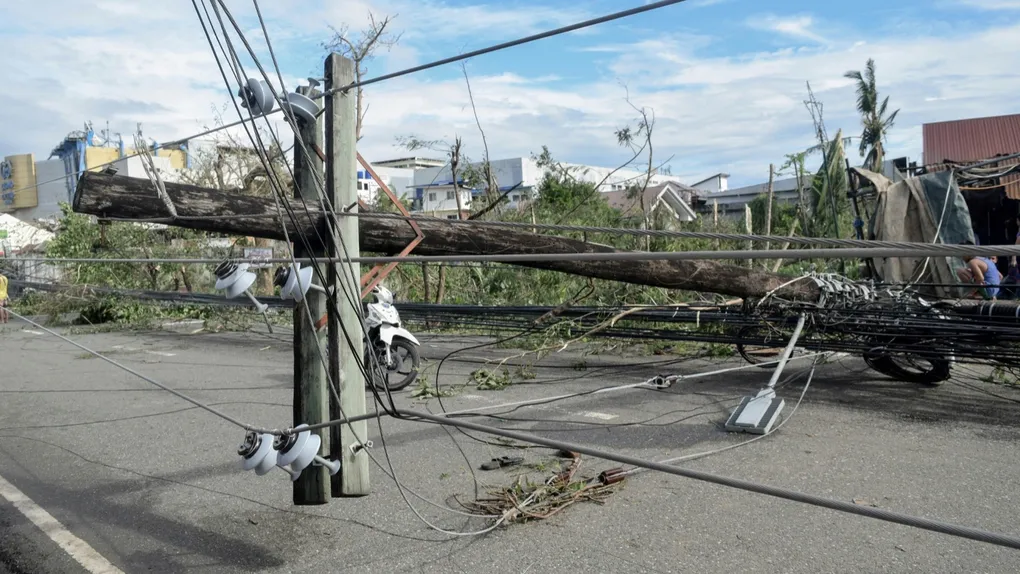
- Electrical: Treat all downed lines as live. Do not step in puddles.
- Chainsaws: Do not cut tension-loaded trees without PPE and experience.
The Mold Clock (First 48 Hours)
- Assess: Check for structural damage (sagging roof) before entering.
- Muck Out: Remove wet carpet/drywall immediately to prevent mold.
- Ventilate: Open windows (if humidity allows) and run fans.
The Claim Game
- Notify: Call insurance agent immediately.
- Evidence: Photograph the “Loss Pile” before trash pickup.
- Log: Record every conversation with adjusters.
The Print Protocol
- Print this post: paper does not need batteries, and the phone may be dead exactly when you need this page.
- Laminate or bag: place the printed sheets in a waterproof Ziplock bag inside your Go-Bag.
- Share: send a digital copy to your out-of-area contact so they know your plan.
Next Steps
- Print the Hurricane Survival Manual Checklist you are reading now and put the copy in the go-bag, because this page is the script.
- Do the Blue Sky phase this week: one insurance call and one garage-door look-up. That is two checkboxes on a calm day.
- Start the series from the beginning with Part 1: Anatomy of a hurricane if any line in this checklist made you pause, because the reasoning behind every box is in the seven parts.