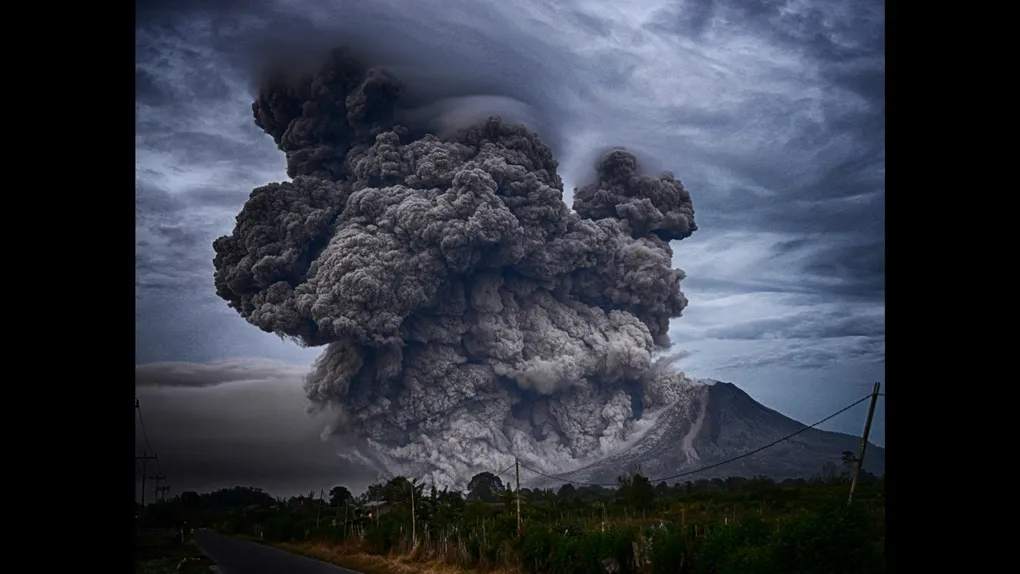
Prepping for a volcanic eruption: The survival manual checklist
The family that came through the eruption unscathed had rehearsed their script at dinner, of all places. The kids could recite the four hazards in order of deadliness. The go-bags lived at the door. The hazard map was on the refrigerator with their address circled and their route drawn in marker. When the mountain finally rumbled for real, nobody in the household had to think. The neighbors, decent and intelligent people, spent the same eruption searching for masks that stores no longer had. Preparation had happened on a calm Tuesday, or it had not happened at all.
Over the last five articles, we have dissected the volcanic eruption, from the anatomy of the hazards to the ash threat, the danger zone, the evacuation, and surviving the ashfall. We have moved from the theoretical to the tactical. But knowledge alone is not enough, it must be accessible when the mountain rumbles and the ash begins to fall.
In a crisis, “cognitive fragmentation” sets in. You will forget things you know perfectly well. You might remember the respirator but forget the goggles. You might remember to evacuate but forget the route.
This Master Checklist is your external brain. It consolidates the entire Volcanic Eruption Preparedness Series into a linear, chronological protocol. Print this out. Laminate it. Keep it in your go-bag. It is the script that ensures you don’t just hope for the best, you execute a professional-grade response to the worst.
Disclaimer: The information provided in this article is for general informational and educational purposes only. It is not intended as, and should not be considered, legal, medical, or geological advice. Volcanic risks vary greatly by geography. Always follow the instructions of local authorities and volcano observatories.
Phase 1: Blue Sky Readiness (Seasonal Prep)
Goal: Map the hazards and build the plan before the mountain rumbles.
The Intelligence
- Hazard map: obtain your local volcanic hazard map and identify your zone.
- Know your hazards: determine if you’re in a pyroclastic flow, lahar, or ashfall zone.
- Alerts: sign up for volcano observatory alerts and enable Wireless Emergency Alerts.
The Supplies
- Respirators: N95 or better for every family member.
- Goggles: sealed goggles for every family member.
- Water: several days of bottled water per person.
- Food: several days of non-perishable food.
- Shovel: for clearing ash from the roof.
The Evacuation Plan
- Destination: identify and confirm your evacuation destination.
- Route: map your route, avoiding river valleys (lahar paths).
- Go-bag: packed with respirators, goggles, water, meds, and documents.
Phase 2: The Unrest (The Warning)
Goal: Recognize the signs and prepare to act.
- Monitor: seismic activity, ground swelling, gas emissions, and official alerts.
- Stage: move the go-bag to the door and top off the vehicle.
- Decide: if you’re in a pyroclastic flow or lahar zone, prepare to evacuate.
Phase 3: The Evacuation (Leave Early)
Goal: Get out before the eruption.
- Trigger: leave the moment an evacuation order is issued.
- Protection: wear respirators and goggles if ash is falling.
- Driving: drive slowly, ash reduces traction. Avoid river valleys.
- Route: follow your pre-mapped route to your destination.
Phase 4: The Ashfall (Shelter in Place)
Goal: Survive the ash if you can’t evacuate.
- Seal: close windows and doors, block gaps with damp towels, turn off ventilation.
- Protect: wear respirators and goggles, even indoors if ash seeps in.
- Clear: remove ash from the roof before it accumulates dangerously.
- Drink: only bottled water, assume tap water is contaminated.
Phase 5: The Recovery (After the Ash)
Goal: Return safely.
- Wait: for the official all-clear before returning.
- Protect: wear respirators and goggles during cleanup.
- Clear: remove ash from roofs, gutters, and drains.
- Check: vehicles and machinery for ash damage before use.
- Document: photograph damage for insurance.
Final Tips
- Print this checklist: keep a physical copy in your go-bag.
- The family drill: practice the evacuation route and the shelter-in-place procedure.
- The neighbor pact: know which neighbors are in the same hazard zone, and agree to check on each other.
Next Steps
- Print the Volcanic Eruption Survival Manual Checklist you are reading now and put it in the go-bag.
- Run the one-evening audit: hazard map circled, respirators counted, destination confirmed. Three boxes on a calm night is the whole blue-sky load.
- Start the series from the beginning with Part 1: Anatomy of an eruption if any line here made you pause, because the reasoning behind every box lives in the five parts.