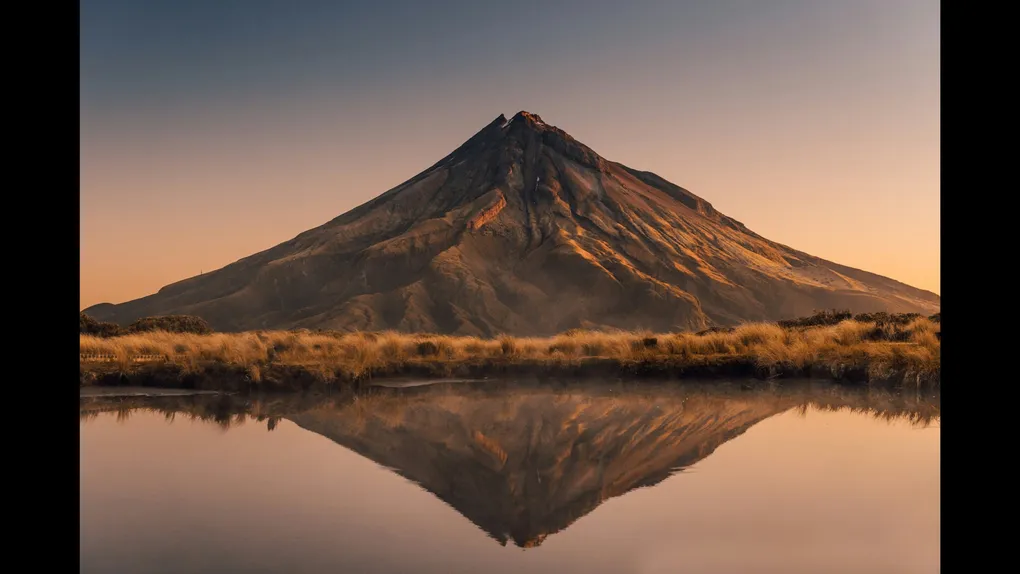
Prepping for a volcanic eruption (Part 1): Anatomy of an eruption
The tour group at the overlook kept their cameras pointed at the orange ribbon of lava crawling down the far slope, and the ranger kept her eyes on the sky and the valley. “Everyone watches the lava,” she told them. “In thirty years, I have never pulled a body out of lava. People walk away from lava. What I have pulled people out of is the river of mud that came down that valley six hours after the eruption looked finished.” The group photographed the lava anyway. The ranger went back to watching the valley, because the deadliest hazards on the mountain are the ones that do not glow.
Volcanoes are the most dramatic disasters on Earth, and among the most survivable, because they almost always give warning. But the warning is only useful if you understand the hazards.
Caution: The “Lava” distraction. People picture the glowing lava flow and think that’s the danger. In reality, lava is slow and rarely kills. The killers are ash, pyroclastic flows, and lahars, the hazards you can’t outrun. When you understand the anatomy of the beast, you stop fearing the lava and start preparing for the ash. This is Part 1 of the volcano series.
Disclaimer: The information provided in this article is for general informational and educational purposes only. It is not intended as, and should not be considered, professional or geological advice. Always follow the instructions of local authorities and volcano observatories.
The Readiness Audit
Do you know which volcanic hazards actually kill?
- Green: You know the difference between lava, ash, pyroclastic flows, and lahars, and you know which hazards apply to your location.
- Yellow: You think lava is the main danger and you’d try to “outrun” a pyroclastic flow.
- Red: You live near a volcano and have never checked your hazard zone.
If you are Yellow or Red, execute Phase 1 immediately.
Phase 1: The Lava Flow (The Slow Threat)
Goal: Understand the least dangerous hazard.
Lava is the most iconic volcanic hazard, and the least deadly.
- The nature: molten rock flowing from a vent or fissure. It moves slowly, typically at walking pace or slower.
- The danger: lava destroys everything in its path, homes, roads, forests, but it rarely kills, because you can simply walk away from it.
The Takeaway: Lava is a property threat, not a life threat. You can outwalk it.
Phase 2: The Ash (The Silent Killer)
Goal: Understand the most widespread hazard.
Volcanic ash is the hazard that affects the most people, often hundreds of miles from the volcano.
- The nature: ash is not soft like fireplace ash. It is pulverized rock and glass, blasted into the atmosphere and carried by the wind.
- The danger: ash collapses roofs under its weight, destroys engines by clogging them, and permanently damages lungs when inhaled.
The Takeaway: Ash is the hazard you’re most likely to face, even far from the volcano. Protect your lungs and your roof.
Phase 3: The Pyroclastic Flow (The Unsurvivable Threat)
Goal: Understand the deadliest hazard.
Pyroclastic flows are the most lethal volcanic phenomenon on Earth.
- The nature: a superheated avalanche of gas, ash, and rock that races down the volcano’s slopes.
- The speed: 100+ mph. You cannot outrun it.
- The temperature: up to 1,000°F. It incinerates everything in its path.
The Takeaway: A pyroclastic flow cannot be survived if you’re in its path. The only defense is to not be there, evacuation, before the eruption.
Phase 4: The Lahar (The Mudflow Threat)
Goal: Understand the hazard that strikes after the eruption.
Lahars are volcanic mudflows, a deadly mix of water and volcanic debris.
- The nature: when an eruption melts snow and ice, or heavy rain mixes with ash, it creates a fast-moving slurry of mud and rock.
- The speed: up to 30 mph, faster than you can run.
- The danger: lahars can travel for miles down river valleys, burying communities long after the eruption itself.
The Takeaway: Lahars follow valleys and river channels. If you live in a valley below a volcano, you’re in the lahar path.
The Essential Kit Checklist
- The map: check your local volcanic hazard map to see which hazards apply to your location.
- The mask: an N95 or better respirator for ash protection.
- The goggles: sealed goggles to protect your eyes from abrasive ash.
- The knowledge: teach your family the difference between lava, ash, pyroclastic flows, and lahars.
Scenario Planner (Contingencies)
“I live 50 miles from the volcano, so I’m safe.” The trap: assuming distance means safety. The fix: ash can travel hundreds of miles and collapse roofs far from the volcano. Check your hazard map, you may be in the ashfall zone even if you’re far from the lava.
“The volcano is erupting, but the lava is far away.” The trap: focusing on the lava and ignoring the ash. The fix: the ash is already falling on you. Protect your lungs with a respirator, seal your home, and monitor the ash accumulation on your roof.
Next Steps
- Pull up your local volcanic hazard map tonight and mark which zones touch your address. It is one document and it reorganizes everything else.
- Teach the four hazards to the family in plain words: lava walks, ash falls, pyroclastic flows outrun everything, lahars come down the valleys.
- Read Part 2: The ash threat next, because ash is the hazard most likely to reach your address, and the one people consistently underestimate.
Originally adapted from public USGS volcano-hazard guidance (public domain).