Heat wave safety: The casualties nobody counts
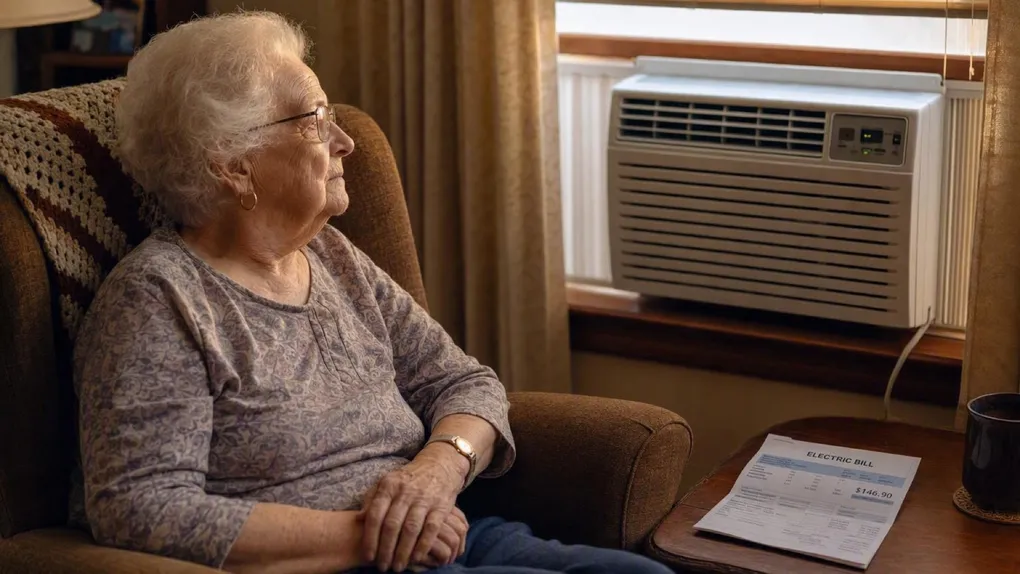
The summer my grandmother turned eighty, we found out she had been switching her window unit off at two in the afternoon. Not because it was broken. Because the electric bill scared her more than the heat did. She lived alone, on a fixed pension, in a brick house that held heat like an oven, and she did what a lot of people on fixed incomes quietly do every summer: she rationed her own safety.
I thought about her the whole time I was reading the National Weather Service’s heat safety materials, prepared with FEMA and the American Red Cross. The document is short, it is old enough to have a 1980 copyright, and it contains the single most honest paragraph about heat deaths I have ever read in government material. Not a word about thermometers or hydration. About money, and who dies because staying cool costs too much.
This site already has a full heatwave series covering wet bulb temperature, passive cooling, electrolytes, and heat stroke triage. This post is the other half of that picture, the part the guidebooks usually skip: who heat actually kills, when the weather service sounds the alarm, and the specific first aid mistakes that turn survivable days into fatal ones.
Disclaimer: The information provided in this article is for general informational and educational purposes only. It is not intended as, and should not be considered, medical or professional advice. In any heat-related medical emergency, call 911 immediately and follow the instructions of medical professionals.
The Readiness Audit
If a heat wave settled over your town this summer, would the most vulnerable person you know make it through?
- Green: You know the NWS alert thresholds, you have checked on your at-risk neighbors’ cooling arrangements, and you know why salt tablets and alcohol are both wrong answers.
- Yellow: You know the heat stroke symptoms, but you have never asked your elderly neighbor whether they can afford to run their air conditioning.
- Red: You would treat a heat wave like a beach day, salt tablets and all.
If you are Yellow or Red, execute Phase 1 immediately.
Phase 1: Who Heat Kills, and Where
Goal: Understand the demographics and geography of heat death, because it is not random.
The numbers in the NWS material are older, but the pattern they describe has not changed. In a normal year, about 175 Americans succumb to the demands of summer heat. Between 1936 and 1975, nearly 20,000 people were killed in the United States by the effects of heat and solar radiation. In the single disastrous heat wave of 1980, more than 1,250 people died. Only the cold of winter takes a greater toll among natural hazards. Not lightning, hurricanes, tornadoes, floods, or earthquakes.
And those are the direct casualties. The document adds a line that should reframe how you think about every heat wave: no one can know how many more deaths are advanced by heat wave weather, how many diseased or aging hearts surrender that, under better conditions, would have continued functioning.
The geography matters too. A map of heat-related deaths in St. Louis during 1966 shows a heavier concentration in the crowded alleys and towers of the inner city, where air quality was also poor during the heat wave. Stagnant atmospheric conditions trap pollutants in urban areas, adding the stresses of severe pollution to the already dangerous stresses of hot weather. And the high inner-city death rates also read as poor access to air-conditioned rooms.
The Takeaway: Heat deaths cluster where pollution, density, and no access to cooling overlap. Know which neighborhoods in your city that describes.
Phase 2: The Cruel Economics of Cool Air
Goal: Confront the reason most heat deaths happen indoors, to people who could have survived.
This is the paragraph from the NWS material that stays with me. While air-conditioning may be a luxury in normal times, it can be a lifesaver during heat wave conditions. The cost of cool air moves steadily higher, adding what appears to be a cruel economic side to heat wave fatalities. Indications from the 1978 Texas heat wave suggest that some elderly people on fixed incomes, many of them in buildings that could not be ventilated without air conditioning, found the cost too high, turned off their units, and ultimately succumbed to the stresses of heat.
The document’s remedy is simple and it is not “buy an air conditioner.” It is this: spending some time each day, during hot weather, in an air-conditioned environment affords some protection. You do not need to cool the whole house all day. You need hours of cooled air, anywhere you can get them. A library, a mall, a community center, a church basement. Two or three hours of relief lets the body recover from the accumulated load.
Caution: If you have an older adult in your life, the most valuable question you can ask them this summer is not about their health. It is whether the electric bill is keeping them from using their air conditioning. Then help them find the free cooled spaces nearby.
The Takeaway: Heat waves kill people who ration their own cooling. The fix is community, not hardware.
Phase 3: When the Weather Service Sounds the Alarm
Goal: Learn the official trigger points, so you know what an alert actually means and when to act without one.
The National Weather Service initiates alert procedures when the Heat Index is expected to exceed 105 to 110 degrees F (depending on local climate) for at least two consecutive days. The procedures include HI values in zone and city forecasts, Special Weather Statements with the extent of the hazard, who is most at risk, and safety rules, and assistance to state and local health officials in preparing civil emergency messages in severe heat waves.
The Heat Index bands from the document tell you what each level means for people in higher-risk groups:
- 130 degrees F or higher: heat stroke or sunstroke highly likely with continued exposure.
- 105 to 130 degrees: sunstroke, heat cramps, or heat exhaustion likely, and heat stroke possible with prolonged exposure or physical activity.
- 90 to 105 degrees: sunstroke, heat cramps, and heat exhaustion possible with prolonged exposure or physical activity.
- 80 to 90 degrees: fatigue possible with prolonged exposure or physical activity.
And two modifiers most people miss. Since HI values were devised for shady, light-wind conditions, full sunshine can increase HI values by up to 15 degrees F. And strong winds, particularly with very hot, dry air, can be extremely hazardous, because they strip away the thin protective layer of cooler air your body maintains around itself.
The Takeaway: An alert means two straight days above roughly 105 to 110 degrees. But sunshine adds up to 15 degrees to what the forecast says, so treat a sunny 100-degree day like the 115-degree day it actually is.
Phase 4: Who Is Most Susceptible
Goal: Know the at-risk list precisely, because it is longer than most families assume.
The NWS list of people particularly susceptible to heat reactions:
- Elderly persons
- Small children
- Chronic invalids
- Those on certain medications or drugs, especially tranquilizers and anticholinergics
- Persons with weight and alcohol problems
Especially during heat waves in areas where a moderate climate usually prevails. That last part is the sleeper risk: acclimatization matters, and a moderate-climate town hit by an unusual heat wave can produce casualties at temperatures a Phoenix resident would shrug off.
The document also gives the age rule that I have never seen stated so plainly. Other things being equal, the severity of heat disorders tends to increase with age: heat cramps in a 17-year-old may be heat exhaustion in someone 40, and heat stroke in a person over 60. The same environment produces different diseases in different bodies. When a teenager and their grandmother are both “feeling the heat,” they are not having the same medical event.
The Takeaway: The at-risk list includes anyone on tranquilizers or anticholinergics, and age turns the same heat into a worse illness. Calibrate your worry to the person, not the thermometer.
Phase 5: The First Aid Table, Including the Two Common Mistakes
Goal: Learn the full heat disorder first aid table, especially the two instructions everyone gets wrong.
The NWS table covers four conditions:
| Disorder | Symptoms | First aid |
|---|---|---|
| Sunburn | Redness and pain, in severe cases swelling, blisters, fever, headaches | Ointments for mild cases if blisters appear and do not break. If breaking occurs, apply dry sterile dressing. Serious, extensive cases should be seen by a physician |
| Heat cramps | Painful spasms usually in muscles of legs and abdomen, heavy sweating | Firm pressure on cramping muscles or gentle massage to relieve spasm. Give sips of water. If nausea occurs, discontinue |
| Heat exhaustion | Heavy sweating, weakness, skin cold, pale and clammy, thready pulse, normal temperature possible, fainting and vomiting | Get victim out of sun, lay down and loosen clothing, apply cool wet cloths, fan or move to air conditioning, sips of water, discontinue if nausea. If vomiting continues, seek immediate medical attention |
| Heat stroke | High body temperature (106 degrees F or higher), hot dry skin, rapid and strong pulse, possible unconsciousness | A severe medical emergency. Summon emergency medical assistance or get the victim to a hospital immediately. Delay can be fatal. Move to a cooler environment, reduce temperature with cold bath or sponging, use extreme caution, remove clothing, use fans and air conditioners. If temperature rises again, repeat. Do not give fluids |
The two mistakes the table is designed to prevent:
- Salt tablets. The document says plainly: do not take salt tablets unless specified by a physician, and persons on salt-restrictive diets should consult a physician before increasing their salt intake. Salt tablets without medical supervision and without enough water irritate the stomach and can worsen dehydration.
- Fluids for a heat stroke victim. Once someone is at heat stroke level, possibly unconscious, the airway comes first. Cooling is the treatment, water is a choking hazard.
And the alcohol rule: do not drink alcoholic beverages in the heat. Alcohol impairs exactly the mechanisms your body is using to stay alive, judgment and fluid balance, when they need to be sharpest.
The Takeaway: Sips of water for cramps and exhaustion, nothing by mouth for heat stroke, and no salt tablets for anyone without a doctor’s say-so.
The Essential Kit Checklist
- The AC question: Ask every older adult you know whether the electric bill changes how they use their cooling. Then find their nearest free cooled spaces and write them down.
- The alert line: Note the NWS heat alert threshold behavior for your area (roughly HI 105 to 110 for two consecutive days) and treat the first alert day as the day to slow down, not the third.
- The sunshine correction: Add up to 15 degrees to the forecast heat index for full-sun exposure. Plan outdoor work for shade and morning.
- The first aid card: The four-row table above, printed and posted where your family will see it, with the two mistakes circled: no salt tablets, no fluids for heat stroke.
- The medicine check: If anyone in the house takes tranquilizers or anticholinergics, ask their pharmacist which heat precautions apply to them specifically.
Next Steps
Do these four things this week, in order:
- Make the AC call. One conversation with one at-risk person about their cooling costs, and one backup plan for where they will spend the hottest hours of the next heat wave.
- Print the table. The four-row first aid table above goes on the fridge, next to the wet-bulb thresholds from Part 1 of the heatwave series.
- Recheck your kit for summer, using the household supply list in the emergency supply kit guide, with the drinking water needs of your hottest month in mind.
- Read the rest of the heatwave series, starting with passive cooling tactics, because the cheapest air conditioner is the one you never have to run.
Adapted from NOAA/National Weather Service, FEMA, and the American Red Cross, “Heat Wave: A Major Summer Killer” (public domain). Read the original: NWS Extreme Heat Safety.