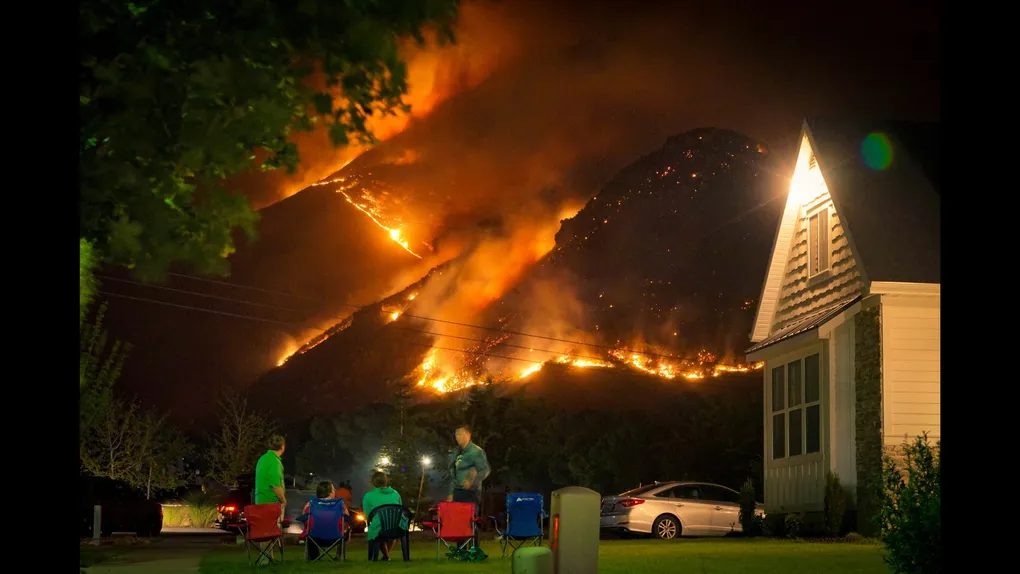
Prepping for a wildfire: The survival manual checklist
The go-bag that sat by the door for three years finally earned its keep on an October afternoon, and the family that grabbed it never once felt heroic. They felt rehearsed. Over the last three articles, we have dissected the wildfire, from the anatomy of the ember storm to home hardening and defensible space. We have moved from the theoretical to the tactical. But knowledge alone is not enough, it must be accessible when the evacuation order comes and the sky turns orange.
In a crisis, “cognitive fragmentation” sets in. You will forget things you know perfectly well. You might remember the go-bag but forget the documents. You might remember to evacuate but forget the route.
This Master Checklist is your external brain. It consolidates the entire Wildfire Preparedness Series into a linear, chronological protocol. Print this out. Laminate it. Keep it in your go-bag. It is the script that ensures you don’t just hope for the best, you execute a professional-grade response to the worst.
Disclaimer: The information provided in this article is for general informational and educational purposes only. It is not intended as, and should not be considered, legal, medical, or architectural advice. Wildfire risks vary greatly by geography. Always follow the instructions of local authorities and fire officials.
The Readiness Audit
- Green: Every phase below is checked and the sheet is printed and kept in the go-bag.
- Yellow: You know most of it but nothing is written down.
- Red: You are reading this during an event. Start at Phase 2 and work in order.
Caution: The kit list only works if it exists when the smoke arrives. Paper beats apps here, so print it today.
Phase 1: Blue Sky Readiness (Seasonal Prep)
Goal: Harden the home and build the plan before fire season.
Home hardening
- Roof: confirm Class A fire-rated roof, repair gaps.
- Gutters: clean leaves and debris.
- Vents: screen all vents with 1/8-inch metal mesh.
- Siding: replace flammable siding with non-combustible material.
- Deck: clear debris from under the deck.
Defensible space
- Zone 1 (0-5 ft): clear all flammable material, use gravel or stone.
- Zone 2 (5-30 ft): space and prune plants, remove ladder fuels.
- Zone 3 (30-100 ft): thin vegetation, remove dead material.
The go-bag
- Respirators: N95 or better for every family member.
- Goggles: sealed goggles for every family member.
- Documents: IDs, insurance papers, and important documents.
- Supplies: water, medications, flashlight, and a phone charger.
The Takeaway: Blue-sky work decides what the ember storm finds when it arrives.
Phase 2: The Watch (Fire Nearby)
Goal: Prepare to evacuate.
- Monitor: fire updates and evacuation warnings.
- Stage: move the go-bag to the door, top off the vehicle.
- Prepare: close windows and doors, move flammable items away from the house.
The Takeaway: The watch phase converts a distant fire into a staged exit, before the smoke makes thinking expensive.
Phase 3: The Evacuation (Leave Early)
Goal: Get out before the fire arrives.
- Trigger: leave the moment an evacuation order is issued.
- Protection: wear respirators and goggles if smoke is heavy.
- Route: follow your pre-mapped evacuation route.
- Do not wait: wildfires move fast and change direction.
The Takeaway: The order is the trigger, and the pre-mapped route is the only one worth driving under smoke.
Phase 4: The Recovery (After the Fire)
Goal: Return safely.
- Wait: for the official all-clear before returning.
- Watch: for hot spots, downed power lines, and unstable trees.
- Protect: wear respirators and goggles during cleanup.
- Document: photograph all damage for insurance.
The Takeaway: The fire’s end is the aftermath’s beginning, and the camera runs before the broom.
Final Tips
- Print this checklist: keep a physical copy in your go-bag.
- The family drill: practice the evacuation route and timing.
- The neighbor pact: know which neighbors are in the same fire zone, and agree to check on each other.
Scenario Planner (Contingencies)
“The order came while I’m at work.” The trap: assuming family members will execute the plan without rehearsal. The fix: the household agreement, everyone knows the trigger is the order, everyone knows the route and the meeting point, and the drill already ran at least once.
“It’s just a warning, not an order.” The trap: waiting for the official order to stage anything. The fix: the watch-phase checklist, go-bag to the door, vehicle topped off, flammables moved, because staging costs minutes now instead of hours later.
Next Steps
- Print this page today and put it in the go-bag, because the plan that exists only on a screen fails when the smoke is thick.
- Run the evacuation drill this weekend: bag to car, route driven, meeting point walked.
- Fold it into the family plan. A prepared household beats a prepared person, so put these steps in front of everyone who shares your roof. Start with Part 1: Anatomy of a wildfire.
Originally adapted from public FEMA, CAL FIRE, and NFPA Firewise guidance (public domain).