Prepping for a heatwave (Part 6): Power outage
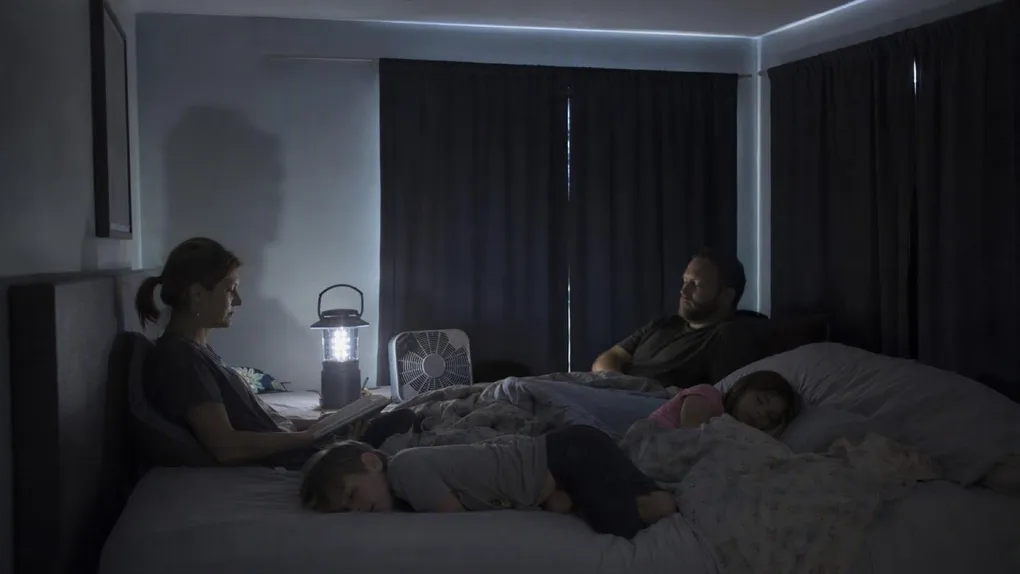
The blackout in the heat dome lasted three days, and the two households at the end of the street handled it very differently. One family threw a “freezer feast” the first evening, ate everything perishable, and moved mattresses into the downstairs north room. The other family opened the fridge a dozen times a day checking on the food. By day two, the first family had cold water bottles, a working routine, and no spoiled milk. The second family had a warm fridge, a hot toddler, and the first argument of the crisis. The difference was a script.
Growing up in the woods, I learned that silence has a sound. In the summer, when the hum of the box fan cut out, it meant trouble, it meant the heat was coming for us, and we had to change our behavior fast. Today, living in a modern insulated house, the stakes feel different. A modern home without AC acts like a thermos, it holds heat in. If you don’t manage the airflow immediately, your safe haven turns into a solar oven.
How did our ancestors survive this? They adapted. By executing a grid-down protocol, we switch from “climate control” (fighting nature) to “micro-climate management” (working with physics). We save our food, keep the toddler safe, and ride it out. This is Part 6 of the heatwave series.
Disclaimer: The information provided in this article is for general informational and educational purposes only. It is not intended as, and should not be considered, medical or professional advice.
The Readiness Audit
Could your family run a 3-day heat blackout?
- Green: You know the food clock, have a lifeboat room staged, and know your 95°F exit line.
- Yellow: You have ice packs but no plan for the fridge or the room.
- Red: You assume the grid always holds.
If you are Yellow or Red, execute Phase 1 immediately.
Phase 1: The Food Clock (Save the Calories)
Goal: Keep the fridge from becoming a loss.
Do not let a blackout become a hunger crisis.
- The “no peek” rule: every time you open the fridge, you lose cold air. If the power dies, the fridge and freezer are locked, tap a “do not open” sign on the door. A fridge stays safe for 4 hours, a full freezer stays safe for 48 hours. Keep your freezer packed tight, and fill empty space with water jugs, ice holds cold better than air (thermal mass).
- Eat the perishables: if it looks like a long outage, have a “feast”, eat the ice cream, deli meat, and leftovers immediately rather than saving them for later.
- The cooler transfer: keep a high-quality cooler ready. If you hit the 4-hour mark, essential meds and milk for the little one go into the cooler with the ice packs you keep frozen for this exact moment.
The Takeaway: The food clock runs 4 hours and 48 hours, and the “no peek” sign plus a staged cooler is what buys you those numbers.
Phase 2: The Lifeboat Strategy (Shrinking Your World)
Goal: Cool one room, not the house.
You cannot cool a 2,000-square-foot house without power. Do not try.
- The retreat: move the whole operation, family and pets, to the lowest level. Heat rises, and the difference between upstairs bedrooms and the ground floor can be 10 degrees. Close the door to this room (your “lifeboat”) and cover the windows with heavy blankets to block every photon of sunlight.
- Evaporative cooling (the old ways): if the humidity isn’t 100%, evaporation is magic. Hang a damp sheet in front of an open window (if there’s a breeze) or sit with wet towels on your shoulders. Point a small battery-operated fan at the wet towel to create a personal AC unit that costs pennies to run.
The Takeaway: The lifeboat is the lowest, shadiest, smallest room, and the damp-sheet-plus-fan trick is a pennies-per-hour AC unit.
Phase 3: The Go/No-Go Decision (When to Leave)
Goal: Know the line where staying becomes dangerous.
There is a line where “toughing it out” becomes dangerous, especially with a young child or elderly relatives.
- The data point: keep a simple digital thermometer in the lifeboat room. If the indoor temperature hits 95°F (35°C) and you cannot cool down with water, you are in the danger zone, infants and the elderly cannot regulate heat like healthy adults.
- The escape plan: know where the local library and malls are (places with commercial generators). In a pinch, your car is a generator on wheels, sit in the driveway with the AC blasting if you have to, but make sure the car is outside the garage to avoid carbon monoxide.
The Takeaway: Ninety-five degrees indoors is the exit line, and the escape route is a building with commercial generators, never a running car inside a garage.
The Essential Kit Checklist
- The thermometer: one for the room, not your fever, know your numbers.
- The airflow: portable battery fans (one for each family member).
- The ice bank: 2-liter bottles filled with water, frozen solid in the bottom of the deep freeze.
- The light: LED lanterns (candles add heat and fire risk in a heatwave).
- The pantry: shelf-stable snacks (tuna, crackers, peanut butter) so you don’t have to open the fridge.
Scenario Planner (Contingencies)
“The water stopped working too.” The trap: in rural areas, no power means the well pump stops, and even in the city, pressure can drop. The fix: the storage reserve, this is why you store water, not just for drinking but to soak towels for cooling.
“The animals are overheating.” The trap: forgetting that fur coats make heatwaves deadly. The fix: the floor, the coolest air is at floor level, so encourage dogs and cats to lie on tile or wood. For outside livestock, freeze water bottles and put them in their beds to lean against.
Next Steps
- Fill and freeze the ice bank tonight. Two-liter bottles in the deep freeze bottom, plus the ice packs staged beside the cooler.
- Pick and clear the lifeboat room. Lowest floor, north side, mattresses down, and a thermometer hanging on the wall at reading height.
- Read the Heatwave Survival Checklist next, the one-page working document that compresses all six parts into a printable season protocol.
Originally adapted from public FDA and CDC food-safety and cooling guidance (public domain).