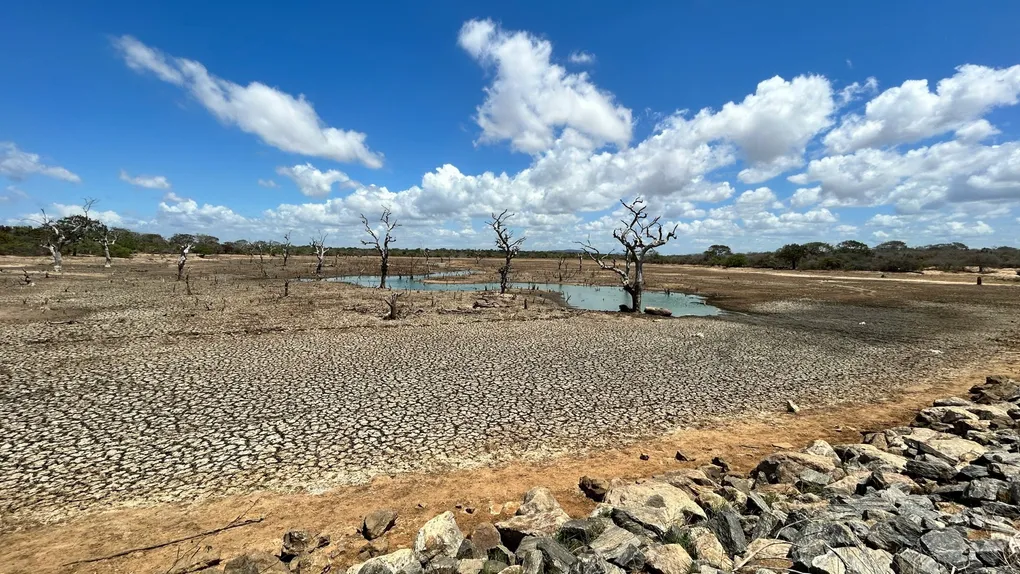
Prepping for a drought: The water security playbook
Drought is a “creeping disaster.” Unlike a hurricane that strikes in hours or an earthquake that strikes in seconds, a drought slowly tightens its grip over months and years. It is easy to ignore until you turn on the tap and the pressure drops, or until local authorities issue mandatory restrictions. But water is the single most critical resource for human survival. When it becomes scarce, it affects everything: your ability to drink, grow food, maintain hygiene, and protect your home from the wildfires that often follow the dry heat.
Preparedness for drought is not just about hoarding jugs of water, it is about fundamentally changing your relationship with this resource. It requires a shift from “consumption” to “stewardship.” By auditing your usage, upgrading your infrastructure, and learning to harvest alternative water sources, you can insulate your family from the stress of scarcity and rising costs.
This guide walks you through the complete protocol: conducting a home water audit to stop invisible leaks, reducing daily consumption by 50% without sacrificing hygiene, safely storing long-term emergency water, and reusing greywater to keep your landscape alive when hose bans are enforced. You will move from water dependence to water resilience. The county’s Stage 2 drought notice arrived in our inbox on a Tuesday, and by Wednesday night the neighborhood group chat had turned into a support group for people staring at brown lawns. What struck me, reading through hundreds of posts, was how differently the same notice landed. The households that had done a water audit, kept a few containers, and mulched their beds treated it as an inconvenience. The households being surprised by it were making panicked runs for bottled water and watching their foundation soil crack open at the same time.
Drought is a creeping disaster. Unlike a hurricane that strikes in hours or an earthquake that strikes in seconds, a drought slowly tightens its grip over months and years. It is easy to ignore until you turn on the tap and the pressure drops, or until local authorities issue mandatory restrictions. But water is the single most critical resource for human survival. When it becomes scarce, it affects everything: your ability to drink, grow food, maintain hygiene, and protect your home from the wildfires that follow the dry heat.
Preparedness for drought is not about hoarding jugs of water. It is about fundamentally changing your relationship with the resource, a shift from consumption to stewardship. This guide is the hub of the drought series: audit your leaks, cut daily use in half, harvest what the sky and the laundry machine give you, store a real reserve, and defend your home from the fire and the shrinking clay that drought brings with it.
Disclaimer: The information provided in this article is for general informational and educational purposes only. It is not intended as, and should not be considered, legal, medical, or architectural advice. Water rights and rainwater harvesting laws vary significantly by state and municipality. Always consult local regulations and codes before modifying plumbing or harvesting rainwater.
The Five Pillars of Water Security
1. The silent leak. A dripping faucet or running toilet can waste thousands of gallons a month. Your first step is a complete system audit to plug the holes.
2. Greywater is gold. Water used for laundry and showers should not go straight to the sewer. With simple setups, this greywater can keep your trees and garden alive during strict watering bans.
3. Diversify your supply. Do not rely solely on the municipal tap. Rainwater harvesting (where legal) and safe long-term storage provide a critical buffer when the grid struggles.
4. Landscaping defense. Lawns are water sponges. Transitioning to drought-tolerant xeriscaping not only saves money but creates a fire-resistant barrier around your home.
5. Drought equals fire. Dry vegetation is fuel. Drought preparedness is inextricably linked to wildfire preparedness, and creating defensible space is a mandatory survival step.
The Drought Toolkit
The series walks through the full protocol in order. Each part ends with same-week actions, and the parts build on each other:
Part 1: The water audit. The meter test, the toilet dye test, and the aerator upgrades that stop the bleeding before you store a single drop.
Part 2: The Navy protocol. The submarine and ship techniques, the Navy shower, the bucket flush, the mellow-yellow rule, that cut daily use by half without sacrificing hygiene.
Part 3: Outdoor defense. Xeriscaping, hydro-zoning, and the mulch armor that keeps 70% of evaporation out of your soil budget.
Part 4: Alternative sources. Rainwater harvesting math and the laundry-to-landscape greywater loop that keep your landscape alive when the hose is banned.
Part 5: The storage protocol. The volume math, the three-tier vessel strategy, and the bleach chemistry that make stored water safe for months.
Part 6: The fire connection. Why 90% of wildfire-lost homes ignite from embers, and the zone defense that starves the spark.
Part 7: Foundation protection. The clay soil beneath your house shrinks during drought. A $30 soaker hose prevents a $30,000 repair.
Finish with the printable drought checklist, the whole series consolidated into one linear protocol.
Key Takeaways
For those short on time, here are the most important things to know:
- Audit before you store. A silent toilet leak can waste 200 gallons a day, more than any storage effort can outpace.
- Half your water use is habit. The Navy shower, the bucket flush, and scrape-don’t-rinse cut household use by roughly half without new hardware.
- Mulch is the cheapest infrastructure. Three to four inches cuts evaporation by up to 70%.
- Harvest the roof and the laundry. One inch of rain on 1,000 square feet is 623 gallons, and the washing machine can feed your trees legally through a diverter.
- Store for two weeks, treated and tiered. One gallon per person per day, 8 drops of unscented bleach per gallon, three container tiers.
- Drought is fire weather and foundation weather. Clear the first 5 feet around the house and keep the perimeter soil at wrung-out-sponge moisture.
Next Steps
- Start with Part 1: The water audit tonight. The two-hour meter test runs while you sleep, and what it tells you sizes every other decision.
- Do one part per week. The series is sequenced so each week’s action builds on the last: leaks, habits, landscape, harvest, storage, fire, foundation.
- When the series is done, look sideways. The flood series is drought’s mirror image, and water security means being ready for both.