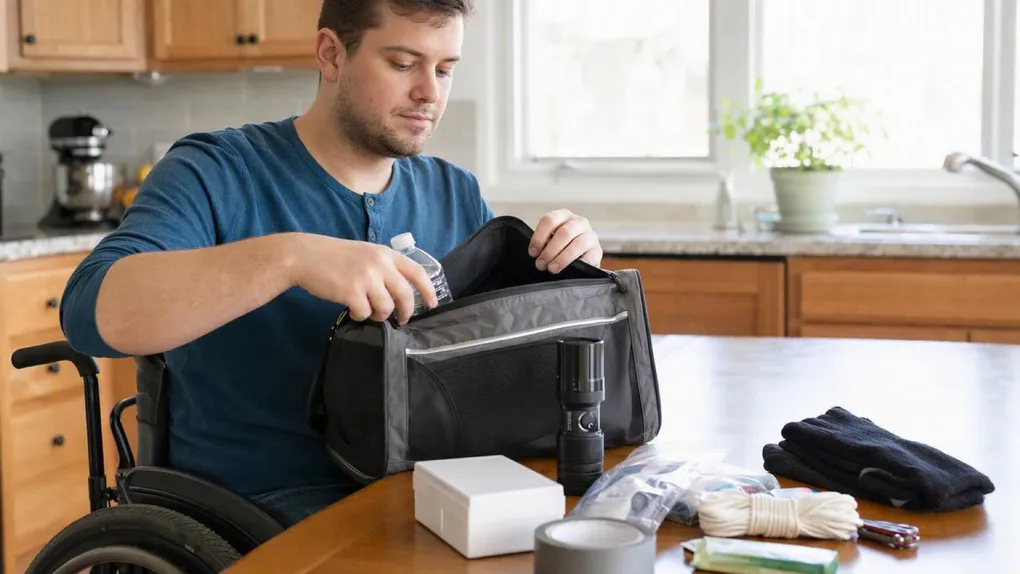
Prepping for special populations (Part 3): People with disabilities
Disabilities add layers to preparedness. Assistive devices, communication needs, and reliance on electricity for medical equipment all change what it means to be ready. A personalized plan is not optional, it is essential.
⚠️ The “Someone will help me” gamble. First responders may not reach you for hours or days after a disaster. A registry is never a substitute for personal preparedness. The people who stay safe are the ones who built their own plan and support network.
Disclaimer: The information provided in this article is for general informational and educational purposes only. It is not intended as, and should not be considered, medical or professional advice. Always follow the instructions of local authorities and healthcare providers.
The Readiness Audit
Do you have a plan that fits your specific needs?
- 🟢 Green: You have a go kit, a support network, and a written plan for staying or going.
- 🟡 Yellow: You have some supplies but no plan for your assistive devices or communication needs.
- 🔴 Red: You have never thought about how your disability would affect you in an emergency.
If you are Yellow or Red, execute Phase 1 immediately.
Phase 1: Build Your Go Kit
Goal: Gather the supplies that fit your needs.
- Medications: A week’s supply, plus copies of prescriptions and dosage information.
- Assistive devices: Extra eyeglasses, hearing aid batteries, and chargers for medical devices.
- Documents: Medical alert tags, insurance cards, and a list of allergies and health history.
- Service animal: Supplies for your service animal.
- Communication: A laminated communication board if you need help being understood.
The Takeaway: Your go kit must reflect your specific needs, not a generic list.
Phase 2: Create a Support Network
Goal: Build the people who will help you.
- The list: Family, friends, and others who will be part of your plan.
- The key: Make sure someone has an extra key, knows where your supplies are, and can use your equipment.
- The practice: Teach your network how to use your wheelchair, oxygen, or other devices, and practice your plan together.
The Takeaway: A support network is your lifeline when first responders are delayed.
Phase 3: Plan to Stay or Go
Goal: Decide what you will do in different emergencies.
- Staying put: Identify a safe place to shelter in place, and consider how a public shelter would meet your needs.
- Evacuation: Plan how you will get away, choose several destinations, and plan for accessible transportation.
- Fire safety: Plan two ways out of every room, and clear hazards that could block your path.
The Takeaway: Plan for both staying and going, so you are ready either way.
The Essential Kit Checklist
- Medications: A week’s supply and copies of prescriptions.
- Assistive devices: Extra eyeglasses, hearing aid batteries, and chargers.
- Documents: Medical alert tags, insurance cards, and health history.
- Service animal: Food, water, and supplies.
- Communication: A laminated communication board if needed.
- Support network: A list of contacts and their roles.
Scenario Planner (Contingencies)
“I use a motorized wheelchair.” The trap: assuming it will always work. The fix: have a lightweight manual chair available, and know the size and weight of your wheelchair in case it must be transported.
“I rely on electricity for medical equipment.” The trap: not planning for a power outage. The fix: talk to your healthcare provider about backup power, and ask your utility about priority restoration lists.
Next: Read The Special Populations Checklist to consolidate this series into a printable script.