Prepping for special populations (Part 1): Older adults
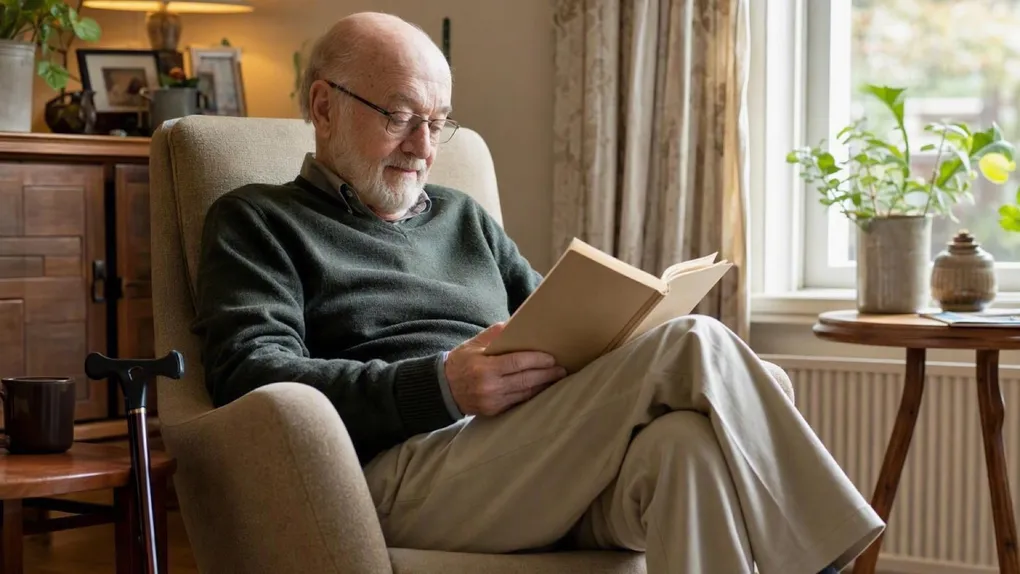
Margaret is 78 and lives alone in the house she has owned for forty years. Her power went out during an ice storm last winter, and it stayed out for six days. She was fine, mostly, but she ran out of the medications she takes each morning, and the one neighbor who checks on her could not get down her unplowed street. When he finally arrived on day four, she had been rationing her heart pills in half. Older adults face unique risks in a disaster. Mobility challenges, daily medications, and reliance on others for transportation all change what it means to be prepared. The good news is that FEMA has built a simple three-step framework specifically for you.
Caution: The “I have managed this long” assumption. A lifetime of independence does not prepare you for a disaster that cuts off power, transportation, and help. The people who recover fastest are the ones who assessed their needs and built a support network before the emergency.
Disclaimer: The information provided in this article is for general informational and educational purposes only. It is not intended as, and should not be considered, medical or professional advice. Always follow the instructions of local authorities and healthcare providers.
The Readiness Audit
Are you prepared for a disaster that cuts off your normal support?
- Green: You have assessed your needs, built a kit, and shared your plan with a support network.
- Yellow: You have some supplies but no written plan or support network.
- Red: You have never thought about what you would do if help could not reach you.
If you are Yellow or Red, execute Phase 1 immediately.
Phase 1: Assess Your Needs
Goal: Understand your specific risks and needs.
- Know your risks: Ask friends and family about past disasters in your area, and read local news and community boards. Every region has its own history, and that history is your preview.
- Ask yourself: Do I have medical conditions or dietary needs? What mobility challenges do I face? Will I need help transporting supplies?
- Consider your situation: Are you living with a disability, limited resources, or in a rural area? Each adds specific considerations. Rural living multiplies response times, and a disability can change what an evacuation even means.
The Takeaway: You cannot plan for what you have not identified. Margaret’s six-day outage was survivable, but the medication gap was a need she had never written down. Assess first, because the list you make in calm weather is the list that saves you in a storm.
Phase 2: Make a Plan and Build a Kit
Goal: Create a plan and gather supplies.
- The plan: Create a support network, make an emergency plan, and practice it with them. A plan that exists only in your head does not survive the moment you are frightened.
- The key: Make sure someone in your network has an extra key, knows where your supplies are, and can administer medicine. The spare key is the single most overlooked item in older-adult preparedness.
- The kit: Water, food, medications, medical supplies, copies of Medicare and insurance policies, a flashlight, a whistle, and a list of medications and doctor phone numbers.
The Takeaway: A plan and a kit turn uncertainty into readiness. The whistle deserves a mention: after a tornado or earthquake, rescuers search by sound, and a whistle hangs around your neck where a shout cannot tire out.
Phase 3: Engage Your Support Network
Goal: Build and activate the people who will help you.
- The network: Family, friends, caregivers, neighbors, and fellow congregants who can assist during an emergency. Faith communities are often the fastest-acting networks in a disaster, so include yours if you have one.
- The checklist: Share your plan, make sure someone has a key, and confirm your network knows your specific needs. Telling someone you have diabetes is not the same as showing them where the insulin is stored.
- The power: A strong support network is the single most important factor in older adult resilience.
The Takeaway: You do not have to face a disaster alone. Build your network now, while the ask is easy: a coffee, a conversation, a copy of the plan. When the ice storm hits, the neighbor with the key is worth more than any single item in the kit.
The Essential Kit Checklist
- Water: One gallon per person per day for several days.
- Food: A several-day supply of non-perishable food.
- Medications: A few days worth, plus a complete list and doctor phone numbers.
- Documents: Copies of Medicare, Medicaid, insurance policies, and a will or trust.
- Tools: Flashlight, first aid kit, extra batteries, whistle, manual can opener.
- Support: A list of your support network and their contact information.
Scenario Planner (Contingencies)
“I cannot evacuate on my own.” The trap: assuming you will be left behind. The fix: plan to shelter in place, identify a safe spot, and make sure your support network knows your situation and can check on you.
“I do not use a smartphone.” The trap: missing alerts. The fix: use a NOAA weather radio, listen to Emergency Alert System broadcasts, and connect with local community groups like CERT.
Next: Read Part 2: Caregivers to learn how to plan for the person in your care.