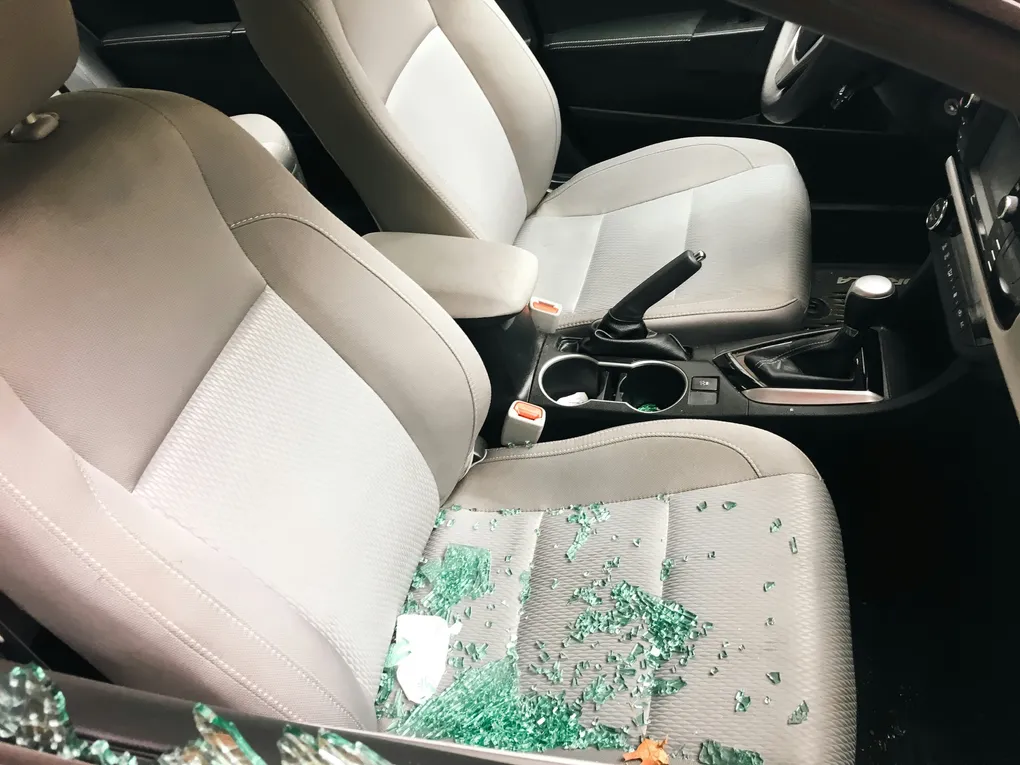
Prepping for Being a Victim of Crime (Part 2): Immediate Response
Editor’s Note: This article covers immediate response during and after a crime. For prevention strategies, see Part 1: The Hard Target. For an overview of the complete series, visit our main guide.
Part 2: The Moment of Crisis – Immediate Response Strategies
Despite our best prevention efforts, crime can still occur. When it does, how you respond in those first critical moments can significantly impact the outcome—for your safety, for the investigation, and for your recovery.
The Stress Response: Understanding Your Body’s Reactions
When confronted with a crime, your body initiates a “fight, flight, or freeze” response. Understanding this can help you manage it:
Physical Changes:
- Rapid heartbeat and breathing
- Tunnel vision and auditory exclusion
- Fine motor skill deterioration
- Time distortion (events may seem to slow down or speed up)
- Adrenaline surge that can mask pain
Mental Effects:
- Difficulty with complex thinking
- Memory formation may be affected
- Emotional intensity or, conversely, detachment
- Automatic responses may override conscious decisions
Managing the Response:
- Tactical breathing: Inhale 4 counts, hold 4 counts, exhale 4 counts
- Focus on one thing at a time
- Use pre-planned responses when possible (they require less cognitive load)
- Accept that some impairment is normal—don’t beat yourself up for not reacting “perfectly”
Scenario-Specific Responses
Different crimes require different responses. Here are guidelines for common scenarios:
Property Theft (Vehicle Break-in, Package Theft, Burglary When Not Home):
Do:
- Document everything before touching anything
- Call police non-emergency line to file a report
- Check if neighbors have security cameras that might have captured the incident
- Contact your insurance company
- Cancel or monitor any cards/accounts if financial information was stolen
Don’t:
- Chase after suspected thieves
- Touch or clean up the scene before documenting
- Assume police won’t care—you need the report for insurance and statistics matter for resource allocation
Confrontational Theft (Mugging, Carjacking):
Your primary goal is survival. Property can be replaced; you cannot.
Do:
- Comply with demands for property if confronted with a weapon
- Keep hands visible and make slow, predictable movements
- Try to remember details about the attacker (height, clothing, distinguishing features, direction of travel)
- As soon as it’s safe, call 911 and get to a secure location
Don’t:
- Resist over replaceable items
- Chase the attacker
- Try to be a hero unless lives depend on it
- Make sudden movements that could be perceived as threatening
Assault:
If escape is impossible and you must defend yourself:
Do:
- Create distance if possible
- Use anything available as a barrier (chairs, bags, shopping carts)
- If you must fight, commit fully and target vulnerable areas (eyes, throat, groin)
- Continue until you can escape, then escape
- Call 911 immediately after reaching safety
- Seek medical attention even for seemingly minor injuries
Don’t:
- Escalate a verbal confrontation to physical if you can de-escalate or leave
- Worry about “fighting fair”—this isn’t a competition
- Assume it’s over until you’re safely away
Home Invasion (While You’re Home):
This is one of the most terrifying scenarios. Your response depends on where you are relative to the intruder.
If you can escape safely:
- Leave immediately with family members
- Don’t try to gather belongings
- Call 911 once outside
- Go to a neighbor’s house or safe distance
If you cannot escape:
- Get to your safe room (ideally master bedroom with reinforced door)
- Call 911 and stay on the line
- Arm yourself with whatever is available
- Make noise—most home invaders don’t want confrontation and will flee
- If the door is breached, you’ve now established a clear intruder scenario
Sexual Assault:
Do:
- Trust your instincts about whether resistance will help or hurt
- Look for any opportunity to escape
- If you choose to resist, be explosive and total—then run
- Go to a safe place immediately after
- Don’t shower, change clothes, or clean up before a medical exam (though understand if you can’t follow this guideline)
- Seek medical care and consider a SAFE (Sexual Assault Forensic Exam)
- You can have the exam without deciding immediately whether to report to police
Don’t:
- Blame yourself—whatever you did or didn’t do, you survived
- Let anyone tell you how you “should” have responded
The Critical First Hour After a Crime
Immediate Safety:
- Are you in immediate danger? If yes, relocate to safety first
- Do you need emergency medical care? If yes, call 911
- Once safe, contact police (911 for emergencies, non-emergency line for property crimes where there’s no immediate threat)
Documentation: While memories are fresh, document:
- What happened (sequence of events)
- Physical description of any perpetrators
- Vehicle descriptions (make, model, color, license plate if possible)
- Direction of travel
- Any weapons observed
- Witnesses and their contact information
Evidence Preservation:
- Don’t clean up the crime scene
- Don’t touch or move items the criminal touched
- Take photos/video before anything is disturbed
- Save any text messages, emails, or digital evidence
- Don’t wash clothes worn during the incident
Notifications:
- Police (if not already notified)
- Emergency contacts/family members
- Insurance company (for property crimes)
- Banks/credit cards if financial information may be compromised
- Employer if you’ll miss work or if the crime occurred at work
Dealing with Law Enforcement
When Police Arrive:
- Put away anything that could be mistaken for a weapon
- Keep hands visible
- Follow their instructions
- Be patient—they need to ensure the scene is safe first
Giving Your Statement:
- Stick to the facts of what you witnessed
- It’s okay to say “I don’t know” or “I’m not sure”
- Don’t guess or fill in gaps with assumptions
- Ask for the case number and investigating officer’s contact information
- You can request a victim’s advocate if available
Your Rights:
- You have the right to be treated with dignity and respect
- You can have a support person present in many jurisdictions
- You can request a female officer for sensitive crimes (request will be accommodated if possible)
- You can ask about victim services and compensation programs
Children as Victims or Witnesses
If children are involved:
- Ensure their immediate safety
- Use age-appropriate, calm language
- Don’t pressure them to talk, but be available to listen
- Consider professional support from the start
- Maintain routines as much as possible for stability
- Reassure them it’s not their fault and they’re safe now
The Transition to Recovery
Once the immediate crisis has passed and you’ve completed initial interactions with police and medical personnel:
- Reach out to your support network
- Don’t make major decisions while in crisis mode
- Accept help when offered
- Know that your emotions may fluctuate—this is normal
- Begin thinking about what you’ll need in the coming days (practical support, emotional support, financial assistance)
The immediate response phase is just the beginning. In the next part of this series, we’ll cover how to navigate the aftermath—working with law enforcement investigations, handling insurance claims, and addressing the emotional fallout.
Coming up in Part 3: The investigation has begun, but your work isn’t done. We’ll cover working with detectives, understanding the criminal justice process, documenting damages for insurance, and the administrative tasks that come after victimization.