Prepping for a lost person (Part 1): Proactive measures
A child chasing a butterfly or a senior with dementia reverting to an old memory can vanish in seconds. In a crowd or a dense neighborhood, “looking away for a second” is all it takes. Panic is the enemy. When a loved one goes missing, the initial panic paralyzes your ability to think clearly. Without a pre-established safety net, you are starting from zero in a high-stakes race against time. Proactive preparation acts as an invisible tether. By layering identification, tracking tech, and behavioral training before a crisis, you ensure that if the unthinkable happens, you have immediate, actionable tools to bring them home.
Disclaimer: The information provided in this article is for general informational and educational purposes only. It is not intended as, and should not be considered, legal or medical advice.
The Readiness Audit
How strong is your safety net right now?
- 🟢 Green: Your child/elder has wearable ID, you use a tracking device (AirTag/GPS), and you have practiced a “safety drill” in the last month.
- 🟡 Yellow: You have a recent photo of them on your phone, but they carry no ID and you haven’t discussed what to do if they get lost.
- 🔴 Red: You rely entirely on “watching them closely.” You have no current headshot, no ID on them, and no plan.
If you are Yellow or Red, execute Phase 1 immediately.
Phase 1: Identification (The First Line of Defense)
Goal: Ensure that anyone who finds them can identify them and call you immediately.
Layer 1: Visible Info (The “Good Samaritan” Layer)
This is for the stranger who wants to help but doesn’t know who to call.
For Children:
- Shoe ID Tags: Durable tags that slide onto shoelaces are harder to remove than bracelets.
- Laminated “If I Get Lost” Cards: Create a small card with your name and number. Instruct the child to keep it in a specific pocket.
- ⚠️ Strategy: Do not put the child’s name on the outside of their backpack (stranger danger). Put your contact info on their person.
For Elderly or adults with disabilities:
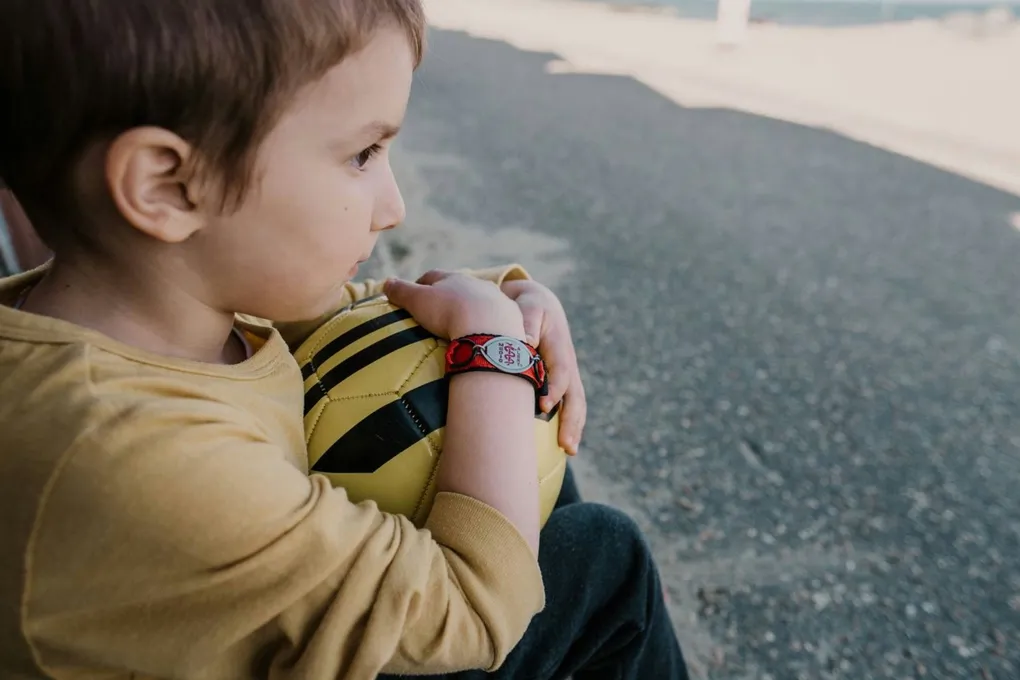
- Medical ID: Use professional services like MedicAlert for those with dementia/diabetes. It provides a 24/7 hotline for first responders.
- Clothing Labels: Iron-on labels inside jackets: “I have memory loss. Please call my daughter Jane at [Number]”.
Layer 2: Scannable Tech (The Digital Layer)
- QR Code IDs: Bracelets or patches with unique QR codes. When scanned by a smartphone, they open a secure online profile with medical info and emergency contacts.
Phase 2: Digital Tracking (The “Find Them Fast” Layer)
Goal: Use technology to locate them before you even have to call 911.
Option A: Bluetooth Trackers (Close Range)
- What: AirTags or Tile Trackers.
- Best Use: Crowded, contained areas like malls or festivals.
- Pros/Cons: Cheap and long battery life, but not real-time GPS. They rely on other phones being nearby to update location.
Option B: Dedicated GPS Trackers (High Risk)
- What: Devices like AngelSense or Jiobit.
- Best Use: The “Gold Standard” for wander-risk elderly or autistic children.
- Pros: Real-time tracking and “Geofencing” (alerts you if they leave a designated zone).
Option C: Smartphone Sharing (Low Cost)
- What: Using “Find My” (Apple) or Google Maps Location Sharing.
- Best Use: Responsible teens or independent seniors who carry their phones reliably.
Phase 3: The Human Element (Education & Environment)
Goal: Build skills and safer environments to prevent wandering.
For Children: The “Family Team Plan”
Stop scaring them; start empowering them.
- Drill 1: “Freeze and Find”: Teach them to stop moving the moment they don’t see you. This prevents them from wandering further away while you backtrack.
- Drill 2: “Safe Strangers”: Teach them to look for a Police Officer, a Store Employee, or a “Mom with kids”.
- Drill 3: “No, Go, Yell, Tell”: An active response to stranger danger. If someone tries to take them: Yell “NO,” Run away, and Yell “This is not my dad!”.
For Elderly: The “Safe Harbor”
- Secure the Home: Install simple door chimes to alert you if a door opens. Place deadbolts high on the door (above eye level) to deter wandering.
- The Neighborhood Watch: Give immediate neighbors a card with your loved one’s photo and your number. “This is my dad, Bill. He has memory loss. If you see him walking alone, please call me.”
- Law Enforcement: Ask your local police if they have a “Vulnerable Person Registry” to pre-register their photo and condition.
The “Essential Kit” Checklist
- The Wearable ID: Shoe tag (child) or MedicAlert bracelet (elderly) ordered.
- The Tracker: AirTag or GPS device purchased and synced to your phone.
- The “Go-Kit”: A digital album on your phone with a current headshot, full-body photo, and a written description of medical conditions.
- The Neighbor Card: Printed cards with photo/contact info distributed to 3 neighbors.
The Scenario Planner (Contingencies)
Murphy’s Law Variation 1: “My child took off their bracelet.”
- The Trap: Reliance on a single removable item.
- The Fix: Redundancy. Use the Shoe Tag or iron-on clothing labels. These are much harder for a child to remove impulsively than a bracelet.
Murphy’s Law Variation 2: “The GPS tracker battery died.”
- The Trap: Forgetting to charge the device.
- The Fix: Routine integration. Charge the tracker at the same time every day (e.g., while they are bathing or sleeping). Set a recurring phone alarm to check battery levels.
Next: Read Part 2: Code Red - The Immediate Action Plan to learn what to do in the critical first minutes and hours when someone goes missing.